Keeping the Season Lucky
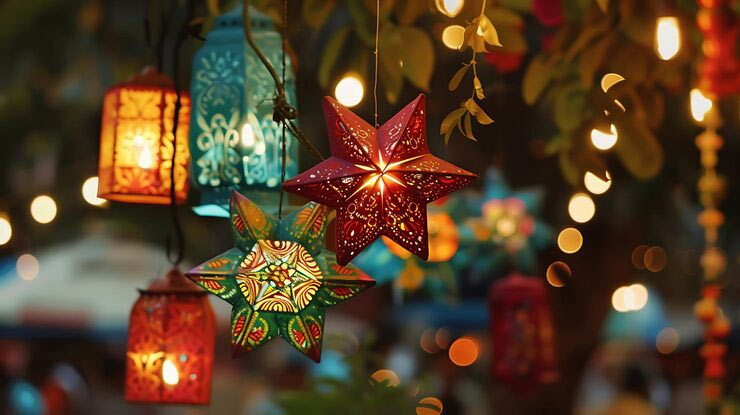
Christmas in the Philippines is more than just a holiday—it's a time full of emotion, culture, and spirit, with traditions passed down through families. Sure, modern stuff like presents and parties are big, but Filipinos still stick to cool superstitions that are supposed to bring luck and good vibes. These little practices are still important for keeping the Christmas spirit alive.
Why Superstitions Matter at Christmas
Most families aren't scared into following superstitions; it's more about tradition. Christmas feels like a time when your energy and intentions really matter for the next year, so people want to get good fortune on their side. Whether it's about cash, love, or staying healthy, these beliefs make the season even more fun and cozy.
How to Welcome Good Fortune
One popular idea is that how you start Christmas Eve sets the tone for the whole year. Families make a huge Noche Buena feast to show they're hoping for a prosperous year. Some put round fruits on the table because circles mean constant good luck. Parents also tell their kids to wear something new before midnight in hopes of getting awesome opportunities. Another common thing is leaving windows and doors open at midnight. People say it lets good energy in. Even in cities, folks still do this because it feels optimistic.
Sounds, Lights, and What They Mean
A lot of Filipino superstitions are about sound and moving around. For example, making noise at midnight—like music or laughing—is supposed to scare away bad luck. That's why Christmas celebrations are so lively, with lots of singing.
Lights are important too. The parol, or star lantern, isn't just decoration; it's believed to guide blessings to your house. Some families keep their parol on as long as they can, hoping for constant protection. Even in cities like Manila, these lanterns shine bright and remind people to be hopeful.
Love, Good Vibes, and Family
Some superstitions are about relationships. Couples try to spend Christmas Eve together for a strong relationship. Families also think that avoiding fights on Christmas Day helps keep the peace. Parents tell their kids to be happy and forgive each other during gatherings.
Also, giving food instead of money is seen as luckier during Christmas. Food represents sharing blessings and makes relationships stronger.
Lucky Charms
Certain objects are said to bring luck. For example, wearing red is supposed to bring good fortune. Putting out pineapples or star-shaped stuff is thought to attract success. Some older folks even keep salt or rice near the door for protection, a tradition still around in parts of the Philippines. These things remind people to be thankful and hopeful—qualities deeply tied to being Filipino.
Superstitions: Comfort and Fun
Whether you believe them or not, superstitions add charm to Christmas. They connect families, make bonds stronger, and create traditions to remember. What makes Filipino Christmas special is the belief that hope and kindness can make the next year awesome.