The sacred Lotus (Nelumbo nucifera) symbolises purity and enlightenment. It blooms in muddy waters yet remains pristine, representing spiritual awakening and national pride.
Marigolds are India's most commercially traded flower, essential for religious ceremonies, festivals, and weddings across Maharashtra, Karnataka, and Tamil Nadu.
Jasmine (Mogra) grows effortlessly across India's tropical zones. With minimal care it rewards growers with fragrant white blooms used in hair ornaments and pooja offerings.
Revered as a sacred medicinal herb, Tulsi is found in nearly every Indian household. It treats coughs, colds, and stress, and is integral to Ayurvedic medicine traditions.
The Money Plant (Pothos) is India's most common decorative indoor plant, believed to bring good luck. It grows beautifully in water or soil with minimal care needed.
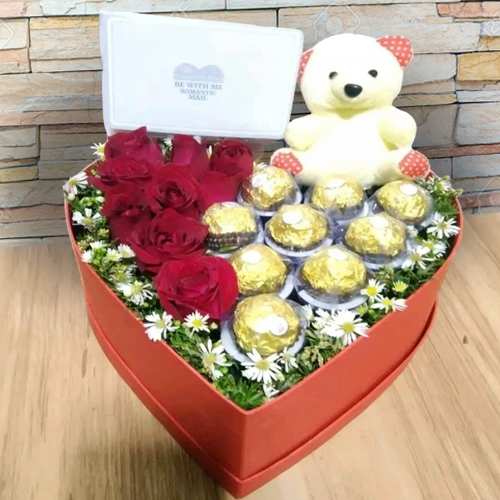
Red rose bouquets remain India's top gifting flower for birthdays, anniversaries, and Valentine's Day. Paired with chocolates, they make an unforgettable gesture of love.
The Tudor Rose combines the red Lancaster and white York roses, symbolising the unity of the Tudor dynasty. It has remained England's powerful national symbol since the 15th century.
Chrysanthemums are the UK's top-selling potted plant and cut flower, popular in autumn and winter for their long vase life and wide colour range at flower markets and supermarkets.
Foxglove is one of Britain's easiest cottage garden plants, self-seeding readily across the mild British climate. Its towering purple spires are iconic in English countryside gardens.
English Lavender from Surrey and Norfolk farms is world-renowned, prized for calming properties and used in aromatherapy, sleep aids, and cosmetics in the UK's thriving wellness industry.
The Peace Lily is one of the UK's best-selling indoor plants for its elegant white flowers and ability to purify indoor air. It thrives in low light conditions typical of British homes.
Classic English rose bouquets are the quintessential British floral gift. David Austin roses, bred in the UK, are the gold standard for premium gifting on birthdays and anniversaries.
The Rose was officially declared the national floral emblem of the United States in 1986. Symbolising love and strength, it is cultivated across all 50 states with deep cultural significance.
Tulips are America's best-selling cut flower after roses, dominating spring floral markets and hugely popular for Easter, Mother's Day, and home dรฉcor across the country.
Sunflowers are among the easiest flowers to grow in the USA, thriving across diverse climates. They are drought-tolerant, fast-growing, and adored for garden displays and farm markets.
Native to North America, Echinacea is one of the most popular herbal supplements in the USA, available in teas and capsules across health stores nationwide for immune support.
The Pothos is America's most popular indoor plant, beloved for its trailing vines and virtually indestructible nature. It thrives in offices, homes, and low-light environments.
Sunflower arrangements convey warmth and positivity, making them a beloved gift for congratulations, get-well messages, and summer celebrations across the United States.
The Bunchberry (Cornus canadensis) was voted Canada's national wildflower in 2000. This delicate white-flowered groundcover thrives across Canada's boreal forests, emblematic of pristine wilderness.
Canada is a world leader in lily production. Oriental and Asiatic lilies are top sellers at Canadian florists, prized for weddings, funerals, and home arrangements across the country.
Black-Eyed Susans thrive across Canada's prairies and roadsides, blooming summer into fall. They are drought-resistant, attract pollinators, and ideal for Canadian cottage gardens.
Wild Ginger is a traditional medicinal plant used by Canada's Indigenous peoples for treating headaches, fevers, and digestive issues. It holds significant cultural importance in Canadian history.
The Dracaena is Canada's most popular indoor decorative plant, prized for its dramatic striped foliage and air-purifying abilities in Canadian indoor climates through long winters.
Canadian wildflower bouquets featuring Black-Eyed Susans, Coneflowers, and Goldenrod are a distinctly Canadian gift evoking the natural beauty of prairies and woodlands for eco-conscious celebrations.
The Cherry Blossom represents the transient beauty of life. Hanami festivals draw millions each spring as sakura trees transform Japan into a breathtaking pink wonderland from Okinawa to Hokkaido.
The Chrysanthemum (Kiku) is the emblem of Japan's Imperial Family and its top-selling cut flower, used for religious ceremonies, obon festivals, and traditional Ikebana arrangements.
The Camellia is one of Japan's easiest winter-blooming flowers. Its elegant blooms in red, pink, and white have inspired Japanese art, tea ceremony culture, and kimono textile patterns for centuries.
The Camellia sinensis tea plant is central to Japanese wellness culture. Matcha and Gyokuro are revered for antioxidant properties, mental clarity benefits, and cancer-prevention potential.
Bonsai is Japan's most iconic indoor plant art form, cultivated for centuries as a meditative practice. These miniature trees are cherished heirlooms and the ultimate expression of Japanese aesthetic philosophy.
Cherry blossom branch arrangements are the ultimate Japanese seasonal gift during spring Hanami season, symbolising fleeting beauty, new beginnings, and gratitude โ perfect for graduation and celebrations.
The Cornflower (Centaurea cyanus) is Germany's national flower, its vivid blue historically associated with Prussian blue and German romanticism, symbolising simplicity and the beauty of the countryside.
Tulips are Germany's best-selling cut flowers, imported from the Netherlands and grown in the Rhine Valley, popular at Germany's famous Blumenmarkt for spring celebrations and home decoration.

Chamomile (Kamille) grows effortlessly across Germany's temperate meadows, cultivated for centuries as a medicinal and garden plant, producing abundant blossoms for tea and natural remedies.
Germany is the world's leading producer and consumer of St. John's Wort (Johanniskraut), used clinically for mild-to-moderate depression โ one of the most validated herbal medicines in European pharmacopeia.
Poinsettias are Germany's most beloved Christmas plant, decorating homes and Christmas markets from November through January. Germany is Europe's largest importer each festive season.

Colourful tulip bouquets are Germany's most gifted spring flowers. Germans have a deep tradition of arriving at dinner parties with a fresh flower bouquet for the host โ a charming cultural custom.
The Bauhinia blakeana is Hong Kong's emblem, featured on its flag and coins. Its distinctive purple-pink flower represents Hong Kong's unique identity and unity, first discovered on the shores of Pok Fu Lam in 1880.
Orchids are Hong Kong's most commercially traded flower, especially during Chinese New Year when demand surges. Phalaenopsis orchids symbolise good fortune and prosperity for the new year.
Bougainvillea thrives explosively in Hong Kong's subtropical climate, cascading over walls in vibrant magenta, orange, and red. It requires little care and blooms almost year-round in Hong Kong.
Ginseng is the cornerstone of Hong Kong's traditional Chinese medicine industry, consumed as teas and tonics, revered for boosting energy, enhancing mental clarity, and promoting longevity.
The Money Tree (Pachira aquatica) is Hong Kong's most popular decorative indoor plant, believed to attract wealth and positive energy according to Feng Shui principles, displayed in homes and businesses.
Orchid arrangements are Hong Kong's most prestigious floral gift for Chinese New Year, grand openings, and VIP business occasions, signifying good luck, prosperity, and deep respect.
Vanda Miss Joaquim is Singapore's national flower, selected in 1981 for its resilience and vibrant purple-magenta hue, discovered in Singapore in 1893. It embodies the nation's pioneering multicultural spirit.
Singapore has produced over 2,000 registered orchid hybrids. The National Orchid Garden is the world's largest orchid display. Orchids dominate Singapore's floriculture export market and festive sales.
Hibiscus thrives in Singapore's year-round tropical climate with minimal care, producing spectacular large blooms in red, yellow, and pink. A common sight in HDB gardens and parks across the island.
Pandan leaves are Singapore's most used culinary and medicinal plant, treating headaches, reducing fevers, and repelling insects. The "vanilla of Southeast Asia" grows prolifically across the island.
The Monstera Deliciosa has become Singapore's most Instagram-worthy indoor plant, with dramatic split leaves symbolising tropical contemporary design. It grows vigorously in Singapore's humid climate.
Singapore orchid gift boxes featuring locally grown hybrids are the most prestigious floral gift on the island, presented at weddings, national events, and corporate milestone celebrations.