
Your Global Marketplace for Flowers, Plants, Hampers, Books & Birthday Gifts
Your Global Marketplace for Flowers, Plants, Hampers, Books & Birthday Gifts
Lotus
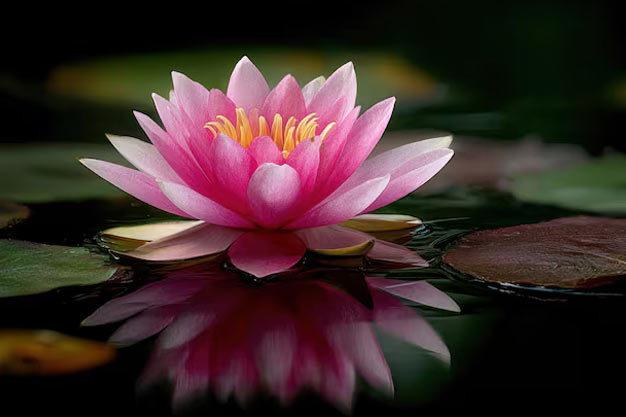
| Scientific Name | Nelumbo nucifera |
| Flower Color | Pink, White |
| Plant Height | 2 to 6 feet |
| Flower Size | 4 to 10 inches wide |
| Flowering Time | Summer to early autumn |
| Growing Time | 3 to 5 months |
| Growing Location | Ponds, water gardens and wetlands |
| Sunlight Requirement | Full sunlight (6 to 8 hours daily) |
| Temperature Requirement | Plant growing temperature 20°C to 35°C. Best flowering temperature is 24°C to 32°C |
| Care Tips | Grow lotus in wide containers filled with clay soil and submerged in clean water. Place in bright sunlight, fertilize monthly during growth, remove yellow leaves regularly, and maintain warm temperatures for healthy blooming and strong root development. |
| Quick Summary | Lotus is a sacred aquatic flower widely admired for its beauty, fragrance, and spiritual importance. Native to Asia, it grows gracefully in ponds and still water bodies. Its large petals and broad green leaves create a calming landscape effect. Lotus flowers symbolize purity, enlightenment, and prosperity in many cultures. The flower blooms during warm months and thrives under bright sunlight. Apart from ornamental value, lotus seeds and roots are used in food and traditional medicine. It is highly popular in temple decorations, floral arrangements, water gardens, and ceremonial gifting. It is basically used in Temple decoration, spiritual ceremonies, water landscaping, festive décor, and premium floral gifting. |
Jasmine (Mogra/Gajra)
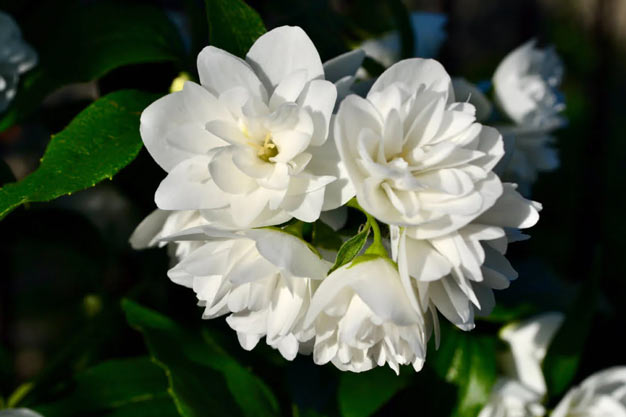
| Scientific Name | Jasminum sambac |
| Flower Color | White |
| Plant Height | 3 to 10 feet |
| Flower Size | 1 to 2 inches |
| Flowering Time | Spring to autumn |
| Growing Time | 6 to 8 months |
| Growing Location | Tropical gardens, pots and balconies |
| Sunlight Requirement | Full to partial sunlight |
| Temperature Requirement | Plant growing temperature 18°C to 35°C. Best flowering temperature is 22°C to 30°C |
| Care Tips | Provide well-drained fertile soil and regular watering without overwatering. Keep the plant in warm sunlight, prune lightly after flowering, apply balanced fertilizer monthly, and protect from frost or extreme cold for continuous fragrant blooms. |
| Quick Summary | Jasmine, popularly called Mogra or Gajra in India, is cherished for its sweet fragrance and elegant white blossoms. The flower is widely used in garlands, hair decorations, perfumes, and religious offerings. Jasmine plants bloom abundantly during warm seasons and attract pollinators like butterflies and bees. Its strong aroma creates a refreshing atmosphere in gardens and homes. The flowers are often woven into traditional bridal accessories and festive decorations. Jasmine is also valued in essential oil production and herbal remedies. Its timeless fragrance makes it one of the most loved flowers for gifting. It is basically used in Perfume industry, garlands, bridal hair decoration, temple offerings, floral jewelry, and fragrance gifting. |
Rose (Gulab)
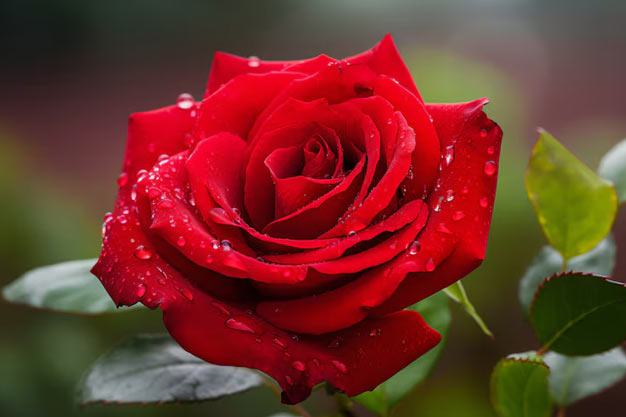
| Scientific Name | Rosa spp. |
| Flower Color | Red, Pink, Yellow, White, Orange, Purple |
| Plant Height | 2 to 8 feet |
| Flower Size | 2 to 5 inches |
| Flowering Time | Spring to winter |
| Growing Time | 2 to 4 months |
| Growing Location | Gardens, greenhouses and containers |
| Sunlight Requirement | Full sunlight |
| Temperature Requirement | Plant growing temperature 15°C to 28°C. Best flowering temperature is 18°C to 26°C |
| Care Tips | Plant roses in nutrient-rich, well-drained soil with sufficient airflow. Water deeply at the base, prune regularly, remove faded blooms, and provide balanced fertilizer every month to encourage healthy foliage, disease resistance, and abundant colorful flowering. |
| Quick Summary | Rose, commonly known as Gulab, is among the world’s most popular ornamental flowers. Renowned for its velvety petals and captivating fragrance, the rose symbolizes love, beauty, friendship, and celebration. Available in countless colors and varieties, roses are widely cultivated for gardens, perfumes, cosmetics, and floral arrangements. The flowers bloom repeatedly under proper care and sunlight. Roses are also used in making rose water, essential oils, and desserts. Their universal appeal makes them a preferred choice for weddings, anniversaries, birthdays, and romantic occasions. Fresh-cut roses remain a dominant product in the global flower trade. It is basically used in Bouquets, romantic gifting, weddings, perfumes, rose water production, and decorative floral arrangements. |
Carnation
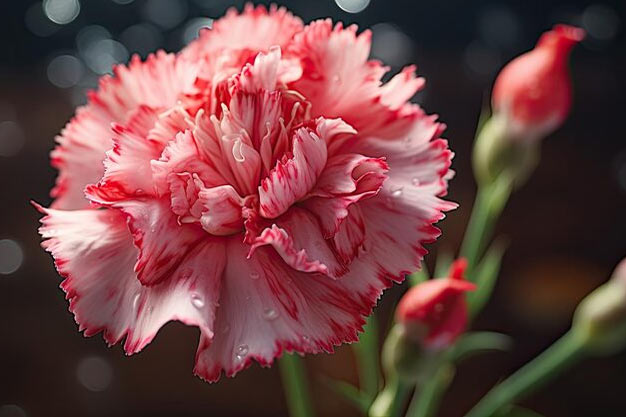
| Scientific Name | Dianthus caryophyllus |
| Flower Color | Pink, Red, White, Yellow, Purple |
| Plant Height | 1 to 3 feet |
| Flower Size | 2 to 4 inches |
| Flowering Time | Spring to summer |
| Growing Time | 4 to 6 months |
| Growing Location | Greenhouses, flower beds, pots |
| Sunlight Requirement | Full sunlight |
| Temperature Requirement | Plant growing temperature 10°C to 24°C. Best flowering temperature is 15°C to 22°C |
| Care Tips | Use loose, well-drained soil and avoid excessive watering. Place plants under bright sunlight, pinch young shoots for bushier growth, remove faded blooms quickly, and feed with balanced fertilizer to maintain healthy stems and prolonged flowering. |
| Quick Summary | Carnation is a classic ornamental flower recognized for its ruffled petals and long vase life. Native to the Mediterranean region, carnations are cultivated extensively for the floral industry. The flowers are available in many attractive shades and symbolize admiration, affection, and gratitude. Carnations are highly durable, making them suitable for bouquets, centerpieces, and decorative arrangements. Their spicy fragrance and elegant appearance enhance both formal and festive occasions. Florists value carnations because they remain fresh for extended periods after cutting. These flowers are commonly used in weddings, celebrations, and international flower export businesses. It is basically used in Bouquets, flower export, event decoration, sympathy arrangements, and premium floral gifting. |
Marigold
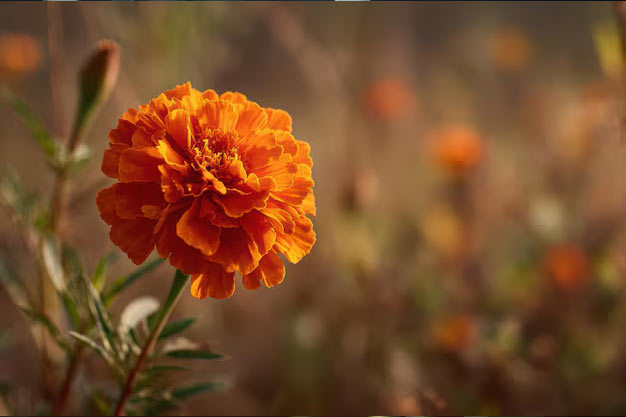
| Scientific Name | Tagetes erecta |
| Flower Color | Yellow, Orange, Golden |
| Plant Height | 1 to 4 feet |
| Flower Size | 2 to 5 inches |
| Flowering Time | Winter to Summer |
| Growing Time | 2 to 3 months |
| Growing Location | Gardens, farms, borders, pots |
| Sunlight Requirement | Full sunlight |
| Temperature Requirement | Plant growing temperature 18°C to 32°C. Best flowering temperature is 20°C to 30°C |
| Care Tips | Sow marigolds in sunny locations with fertile, well-drained soil. Water moderately, remove faded blooms regularly, and apply organic compost occasionally. Proper airflow and regular pruning help maintain healthy plants with continuous bright flowering throughout the growing season. |
| Quick Summary | Marigold is a vibrant flowering plant widely grown for decorative, religious, and festive purposes. Its cheerful yellow and orange blooms symbolize positivity, prosperity, and celebration. Marigolds thrive easily in warm climates and bloom abundantly with minimal care. The flowers are extensively used in Indian festivals, weddings, temple garlands, and landscape borders. Their strong fragrance naturally repels pests, making them useful companion plants in gardens. Marigolds are affordable, long-lasting, and visually attractive, which increases their commercial importance. Their bright appearance and heavy flowering habit make them popular in floral decorations and seasonal gardening projects. It is basically used in Garlands, wedding decoration, temple offerings, landscaping, festive décor, and bulk floral trade. |
Dahlia
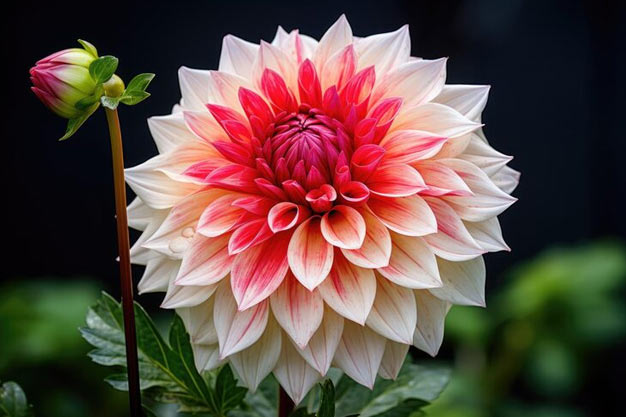
| Scientific Name | Dahlia pinnata |
| Flower Color | Red, Pink, Yellow, Purple, White, Orange |
| Plant Height | 1 to 6 feet |
| Flower Size | 2 to 12 inches |
| Flowering Time | Autumn to Mid-summer |
| Growing Time | 3 to 4 months |
| Growing Location | Gardens, flower beds, containers |
| Sunlight Requirement | Full sunlight |
| Temperature Requirement | Plant growing temperature 18°C to 30°C. Best flowering temperature is 20°C to 28°C |
| Care Tips | Plant dahlias in fertile, loose soil with good drainage. Water regularly without flooding, provide strong sunlight, support tall stems with stakes, and remove spent flowers promptly to encourage larger blooms and longer flowering duration. |
| Quick Summary | Dahlia is a spectacular flowering plant admired for its large, layered petals and wide color range. Originating from Mexico, it has become a favorite ornamental flower worldwide. Dahlias bloom generously during warm seasons and create a dramatic display in gardens and floral arrangements. The flowers are available in miniature to giant decorative forms. Their striking appearance makes them highly popular in flower exhibitions and landscape designs. Dahlias are also valued as long-lasting cut flowers for bouquets and event decoration. With proper care, the plants continue producing vibrant blooms throughout the flowering season. It is basically used in Cut flower trade, bouquets, event decoration, landscape gardening, and exhibition floral displays. |
Zinnia
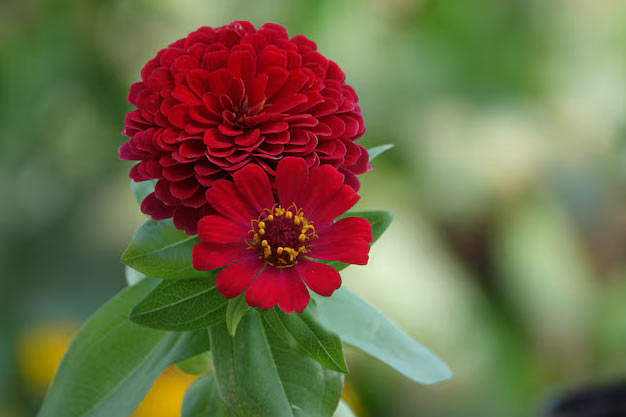
| Scientific Name | Zinnia elegans |
| Flower Color | Red, Pink, Orange, Purple, White, Yellow |
| Plant Height | 1 to 4 feet |
| Flower Size | 2 to 5 inches |
| Flowering Time | Autumn to Summer |
| Growing Time | 2 to 3 months |
| Growing Location | Flower beds, gardens, pots |
| Sunlight Requirement | Full sunlight |
| Temperature Requirement | Plant growing temperature 18°C to 32°C. Best flowering temperature is 22°C to 30°C |
| Care Tips | Plant zinnias in sunny locations with fertile soil and proper spacing. Water near the roots to avoid fungal infection, remove dried flowers regularly, and provide light fertilizer occasionally to encourage healthy branching and long-lasting colorful blooms. |
| Quick Summary | Zinnia is a colorful annual flowering plant admired for its bright blooms and easy maintenance. Native to Mexico, it grows rapidly and flowers continuously during warm weather. Zinnias attract butterflies, bees, and beneficial pollinators, making them ideal for eco-friendly gardens. Their flowers appear in numerous vibrant shades and decorative forms. Due to their excellent vase life, zinnias are widely used in bouquets and floral arrangements. The plant’s cheerful appearance enhances home gardens, landscapes, and seasonal displays. Its affordability, fast growth, and long flowering season make zinnia highly popular among gardeners and florists worldwide. It is basically used in Bouquets, seasonal floral arrangements, garden decoration, butterfly gardens, and ornamental flower sales. |
Sunflowers
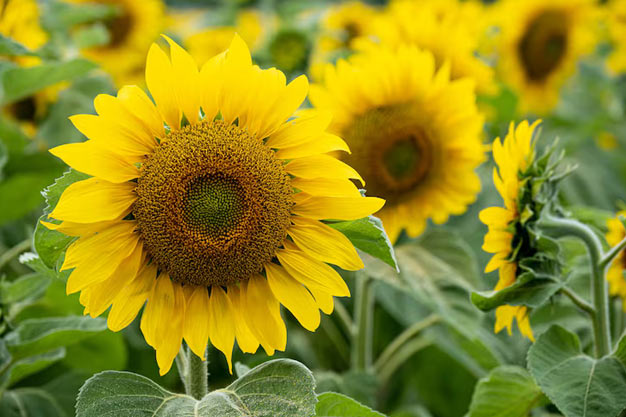
| Scientific Name | Helianthus annuus |
| Flower Color | Yellow, Golden, Orange |
| Plant Height | 3 to 12 feet |
| Flower Size | 4 to 14 inches |
| Flowering Time | Summer |
| Growing Time | 2 to 4 months |
| Growing Location | Farms, gardens and open fields |
| Sunlight Requirement | Full sunlight |
| Temperature Requirement | Plant growing temperature 18°C to 35°C. Best flowering temperature is 20°C to 30°C |
| Care Tips | Grow sunflowers in nutrient-rich soil with plenty of direct sunlight. Water deeply during early growth stages, support taller plants if necessary, and protect ripening seeds from birds to maintain healthy stems and large attractive blooms. |
| Quick Summary | Sunflower is a bright and cheerful flowering plant recognized for its large golden blooms that follow sunlight while growing. Native to North America, it is cultivated worldwide for ornamental beauty, edible seeds, and sunflower oil production. Sunflowers symbolize happiness, positivity, and loyalty. Their tall stems and striking flower heads create dramatic visual appeal in gardens and agricultural landscapes. The flowers attract bees and pollinators, supporting biodiversity naturally. Sunflowers are also widely used in bouquets, rustic décor, and photography gardens. Their uplifting appearance and economic value make them commercially important ornamental flowers worldwide. It is basically used in Bouquets, oil production, seed harvesting, rustic floral decoration, photography gardens, and cheerful gifting. |
Hibiscus
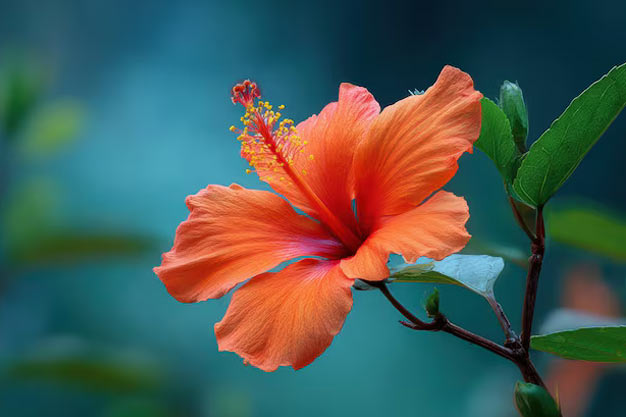
| Scientific Name | Hibiscus rosa-sinensis |
| Flower Color | Red, Pink, Yellow, Orange, White |
| Plant Height | 3 to 10 feet |
| Flower Size | 4 to 8 inches |
| Flowering Time | Throughout warm seasons |
| Growing Time | 4 to 6 months |
| Growing Location | Tropical gardens, hedges, pots |
| Sunlight Requirement | Full to partial sunlight |
| Temperature Requirement | Plant growing temperature 18°C to 35°C. Best flowering temperature is 22°C to 32°C |
| Care Tips | Provide hibiscus with rich, moist soil and sufficient sunlight. Water regularly, prune lightly to shape the plant, remove faded flowers promptly, and use potassium-rich fertilizer monthly for healthy leaves and continuous colorful tropical blooms throughout the year. |
| Quick Summary | Hibiscus is a tropical flowering plant admired for its large, colorful blooms and glossy foliage. The flowers bloom abundantly in warm climates and add vibrant beauty to gardens and landscapes. Hibiscus symbolizes beauty, hospitality, and positivity in many cultures. Besides ornamental use, its petals are used in herbal teas, hair oils, and traditional remedies. The plant grows well in containers, hedges, and home gardens with proper sunlight and watering. Hibiscus flowers attract butterflies and pollinators naturally. Its exotic appearance, long flowering season, and easy maintenance make hibiscus a popular ornamental and gifting plant worldwide. It is basically used in Ornamental gardening, hedge decoration, herbal products, potted plant gifting, and floral décor. |
Bougainvillea
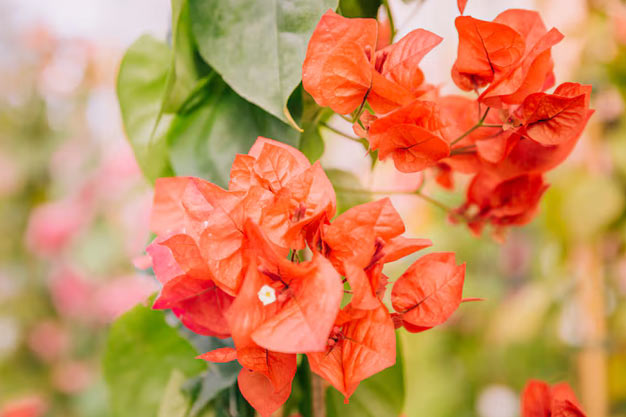
| Scientific Name | Bougainvillea glabra |
| Flower Color | Pink, Purple, Red, Orange, White |
| Plant Height | 3 to 30 feet |
| Flower Size | 1 to 3 inches bracts |
| Flowering Time | Year-round in tropical climates |
| Growing Time | 6 to 12 months |
| Growing Location | Walls, fences, gardens, balconies |
| Sunlight Requirement | Full sunlight |
| Temperature Requirement | Plant growing temperature 20°C to 38°C. Best flowering temperature is 24°C to 35°C |
| Care Tips | Plant bougainvillea in well-drained soil under strong sunlight. Water sparingly after establishment, prune regularly to encourage branching, avoid excessive fertilization, and provide climbing support structures to maintain dense and vibrant colorful flowering growth. |
| Quick Summary | Bougainvillea is a hardy ornamental flowering plant famous for its vibrant papery bracts and vigorous climbing habit. Native to South America, it thrives exceptionally well in sunny tropical and subtropical climates. Bougainvillea is commonly grown on fences, pergolas, arches, and walls to create colorful landscape displays. The plant blooms profusely with minimal maintenance and excellent drought tolerance. Its brilliant shades make outdoor spaces lively and visually attractive throughout the year. Bougainvillea is extensively used in public landscaping, home gardens, and balcony decoration. The plant’s long-lasting colorful display increases its commercial and ornamental popularity worldwide. It is basically used in Landscape decoration, ornamental gardening, balcony beautification, public parks, and potted plant gifting. |

Periwinkle
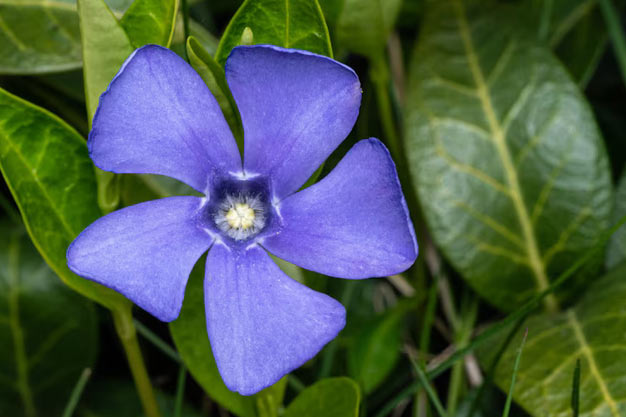
| Scientific Name | Catharanthus roseus |
| Flower Color | Pink, White, Purple, Red |
| Plant Height | 1 to 3 feet |
| Flower Size | 1 to 2 inches |
| Flowering Time | Year-round in warm climates |
| Growing Time | 2 to 4 months |
| Growing Location | Gardens, pots, borders and pathways |
| Sunlight Requirement | Full to partial sunlight |
| Temperature Requirement | Plant growing temperature 20°C to 35°C. Best flowering temperature is 22°C to 32°C |
| Care Tips | Grow periwinkle in well-drained soil with moderate watering and sufficient sunlight. Remove dried flowers occasionally, apply organic compost monthly, and avoid excessive moisture to maintain healthy foliage and continuous blooming throughout warm weather conditions successfully. |
| Quick Summary | Periwinkle is a low-maintenance flowering plant appreciated for its continuous blooming habit and glossy green foliage. Native to Madagascar, it adapts well to tropical and subtropical climates. The flowers bloom abundantly throughout the year in bright shades, adding color to gardens, borders, and containers. Periwinkle is highly drought-tolerant and suitable for beginner gardeners. Besides ornamental value, the plant is known for medicinal importance in pharmaceutical research. Its compact growth and long flowering period make it ideal for landscaping and decorative gardening. Periwinkle remains popular for home gardens and affordable ornamental plant gifting. It is basically used in Border landscaping, potted plant sales, medicinal cultivation, decorative gardening, and budget-friendly gifting. |